
Author: Dr. Marcus Thornfield, Volcanologist and Geophysical Researcher

Some volcanoes ooze lava you can outrun. Others explode with the force of nuclear weapons and kill you from 30 kilometers away. The difference comes down

The 1883 eruption of Krakatoa killed roughly 36,000 people. Most of them didn’t die from lava or ash. They drowned. The volcano—sitting in the Sunda

Paricutín didn’t exist on February 19, 1943. By February 20, a farmer named Dionisio Pulido watched his cornfield crack open and belch smoke.

The Galápagos marine iguana does something that would kill most reptiles in about fifteen minutes: it dives into water cold enough to drop its body temperature
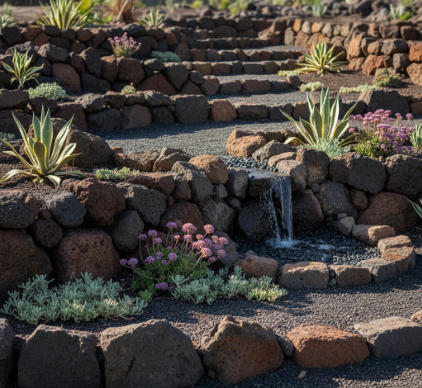
Volcanic rock isn’t just debris from nature’s temper tantrums—it’s the Swiss Army knife of garden design. Scoria, pumice, obsidian: each

In 2019, researchers at the University of Bristol strapped a $30,000 gas sensor to a quadcopter and flew it straight into the sulfurous plume rising from

Most mornings, Katia Krafft would wake up, eat breakfast, and then hike directly toward something that could vaporize her in seconds. She called it love.

Your dog doesn’t care about evacuation routes. Your cat has already decided that carrier you bought is a torture device. And somehow you’

On May 18, 1980, Mount St. Helens decided to rearrange the Pacific Northwest. The blast removed 1,314 feet from the summit, flattened 230 square miles

In 1943, a Mexican farmer named Dionisio Pulido watched a crack open in his cornfield. Within a year, Parícutin volcano had grown 336 meters tall, burying