
Author: Dr. Marcus Thornfield, Volcanologist and Geophysical Researcher

The ocean floor is having a meltdown—literally. Beneath those waves where whales sing and submarines lurk, there’s an entire volcanic landscape that

Iceland’s Holuhraun fissure eruption in 2014 spewed lava across 85 square kilometers—roughly the size of Manhattan—without ever building a cone.

In 1952, a British survey ship called the Challenger II was mapping the ocean floor near Tonga when its sonar equipment went haywire. Depths fluctuated wildly.

Paricutín didn’t exist until February 20, 1943. Then a Mexican farmer named Dionisio Pulido noticed his cornfield was, well, cracking open and belching smoke.
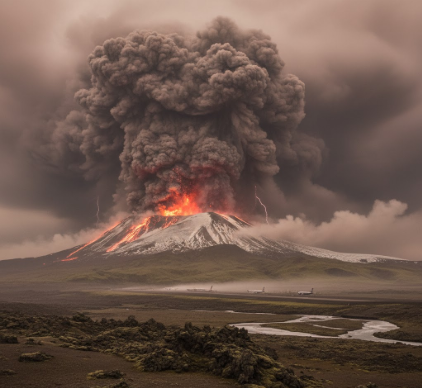
April 14, 2010. That’s when a volcano with a name like a keyboard sneeze—Eyjafjallajökull—decided to throw the planet’s aviation system into chaos.

Every morning, Mexico City wakes up to the sight of a mountain that refuses to behave. Popocatépetl—”Smoking Mountain” in Náhuatl—has been

Gunung Agung sits there like some kind of divine middle finger pointed at the sky, 3,031 meters of volcanic rock that the Balinese consider the literal

Every year, thousands of tourists in flip-flops trudge up a cinder slope on Tanna Island, Vanuatu, to peer into what amounts to Earth’

Pahoehoe sounds like a Hawaiian greeting. Aa sounds like the noise you make when you step on it barefoot. Those aren’t coincidences—both terms come

Picture this: a volcano erupts somewhere—doesn’t really matter where—and within weeks, crops are failing in places that have never even heard of